
2025 marks the beginning of the end of the DEI ideology
The United States, and not only, is experiencing DEI fatigue. The pendulum that swung hard toward diversity, equity, and inclusion initiatives in the last decade or so, is swinging back with full force. It’s a cultural and political shift that will impact organizations globally. Major corporates are dropping DEI programs, courts are striking down diversity initiatives, universities are dismantling the DEI bureaucracies, and a clear mandate from voters rejecting what many see as ideologically-driven policies that have divided rather than united, are all taking place already as 2024 nears to its end.
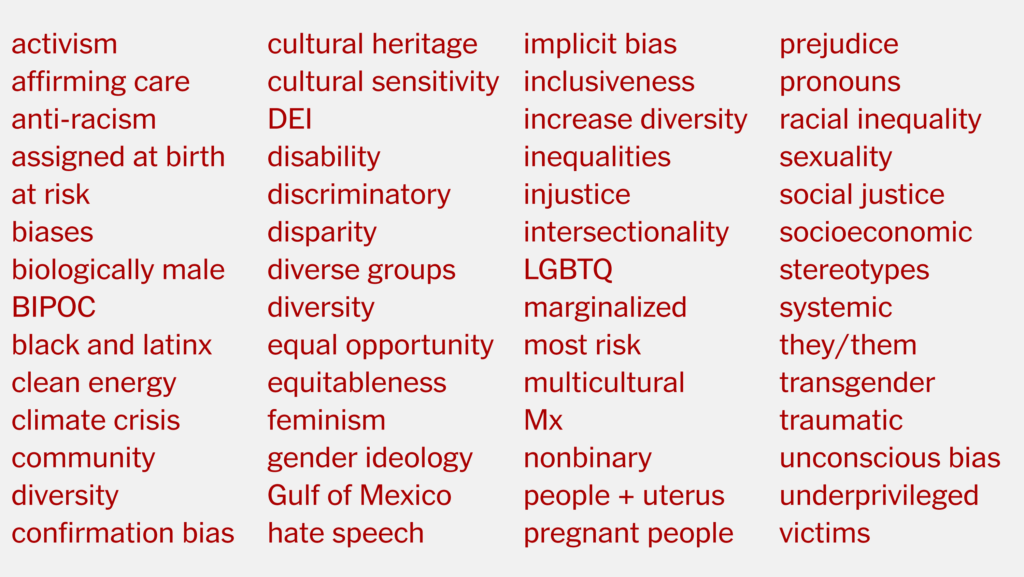
In the wake of Donald Trump’s return to the White House, America is witnessing one of the most sweeping policy reversals in recent history: the systematic dismantling of Diversity, Equity, and Inclusion (DEI) initiatives across both public and private sectors. Trump’s administration is targeting DEI programs very aggressively. The Justice Department is launching investigations and bringing lawsuits challenging diversity initiatives across corporate America and universities. With Stephen Miller as deputy chief of policy and the nomination of anti-DEI lawyers overseeing the Civil Rights Division, we’re seeing the federal government’s enforcement power used to challenge DEI programs nationwide. What began as campaign rhetoric has rapidly transformed into concrete action through a series of executive orders that have had immediate and far-reaching consequences for federal agencies, corporations, universities, and educational institutions at all levels.
Key Dimensions of the DEI Transformation:
- Comprehensive scope: Changes affecting government, military, corporate, educational, and nonprofit sectors
- Rapid implementation: Swift action through executive orders and private sector responses
- Legal uncertainty: Ongoing court challenges creating questions about permanence of changes
- Institutional adaptation: Organizations navigating between compliance and maintaining commitments
- International divergence: Growing gap between U.S. and international approaches to diversity
- Democratic implications: Debates about executive power and institutional autonomy
- Ideological divide: Contrasting views on merit, opportunity, and addressing historical inequities
- Economic impact: Consequences for workforce development, talent recruitment, and corporate culture
- Academic freedom: Tensions between government oversight and educational independence
- Long-term consequences: Uncertain outcomes for representation and inclusion across institutions
Federal Government Dismantling DEI
The federal government has become ground zero for the elimination of DEI programs, with President Trump signing multiple executive orders within days of his January 2025 inauguration specifically targeting diversity initiatives.
Key Executive Orders Reshaping Federal Policy
On January 20, 2025, President Trump signed Executive Order 14151, “Ending Radical And Wasteful Government DEI Programs And Preferencing,” which directed the termination of “all discriminatory programs, including illegal DEI and ‘diversity, equity, inclusion, and accessibility’ (DEIA)” across the federal government. This was quickly followed on January 21 by Executive Order 14173, “Ending Illegal Discrimination and Restoring Merit-Based Opportunity,” which revoked several previous Executive Orders on diversity dating back to 1965, most notably Executive Order 11246, which had established affirmative action requirements for federal contractors.
A third executive order, Executive Order 14168, “Defending Women from Gender Ideology Extremism and Restoring Biological Truth to the Federal Government,” defined “sex” as “an individual’s immutable biological classification as either male or female” and directed federal agencies to enforce laws based on this definition.
These orders collectively terminated all DEI staff positions across federal agencies, ended diversity training programs for federal employees, revoked affirmative action requirements for federal contractors, required federal contractors to certify they do not operate DEI programs that violate federal anti-discrimination laws, and directed the Attorney General to identify “egregious and discriminatory DEI practitioners” in the private sector for potential investigation.
Key Federal Policy Changes:
- Executive Order 14151 (Jan 20, 2025): “Ending Radical And Wasteful Government DEI Programs And Preferencing”
- Executive Order 14173 (Jan 21, 2025): “Ending Illegal Discrimination and Restoring Merit-Based Opportunity”
- Executive Order 14168 (Jan 20, 2025): “Defending Women from Gender Ideology Extremism and Restoring Biological Truth to the Federal Government”
- Revocation of Executive Order 11246 of September 24, 1965, which had established affirmative action requirements
- 90-day grace period (until April 21, 2025) allowing federal contractors to continue complying with the previous regulatory scheme
- Requirement that federal contracts include certifications that contractors do not operate DEI programs violating federal anti-discrimination laws
Agency-by-Agency Implementation
The implementation of these orders has been swift and comprehensive across federal agencies. On January 21, 2025, the Office of Personnel Management (OPM) issued a memo instructing federal agencies to close offices focused on diversity, equity and inclusion initiatives by January 22 and lay off staffers by January 31. At the Equal Employment Opportunity Commission (EEOC), President Trump removed two of the agency’s three Democratic commissioners, leaving it without the quorum necessary to function. The new Acting Chair, Andrea Lucas, issued a statement committing to “rooting out unlawful DEI-motivated race and sex discrimination” and “defending the biological and binary reality of sex.”
The Federal Bureau of Investigation (FBI) had already shuttered its DEI office in December 2024, before Trump returned to the White House. Trump praised this move, stating the office “never should have been opened.” By late January 2025, the Smithsonian Institution told employees its diversity office was closing as a “first step” to address Trump’s new federal policy. As recipients of federal funding, both PBS and NPR have scaled back DEI initiatives. PBS CEO Paula Kerger confirmed in February that the public broadcaster would cease its DEI initiatives “to ensure that we are complying with the President’s Executive Order,” while laying off DEI staff.
On March 18, 2025, President Trump signed a memorandum removing DEI from the Foreign Service, directing the Secretary of State to remove the “Diversity, Equity, Inclusion, and Accessibility” Core Precept from Foreign Service tenure and promotion criteria.
Federal Agencies Eliminating DEI Programs:
- Office of Personnel Management (OPM): Issued memo requiring closure of DEI offices by January 22, 2025
- Equal Employment Opportunity Commission (EEOC): Lost quorum after removal of two Democratic commissioners
- Federal Bureau of Investigation (FBI): Shuttered DEI office in December 2024
- Smithsonian Institution: Closed diversity office in January 2025
- Public Broadcasting Service (PBS): Ceased DEI initiatives and laid off DEI staff
- National Public Radio (NPR): Scaled back DEI initiatives
- Department of State: Removed DEI from Foreign Service tenure and promotion criteria
- Federal Communications Commission (FCC): Chair Brendan Carr launched investigations into media companies’ DEI programs
- Department of Justice (DOJ): Attorney General Pam Bondi directed Civil Rights Division to investigate “illegal DEI and DEIA preferences”
- Department of Energy: Eliminated all DEI-related positions and programs
Legal Challenges to Executive Orders
On February 3, 2025, several organizations, including a group representing university diversity officers, filed a lawsuit in a federal district court in Maryland seeking to enjoin Executive Orders 14173 and 14151 as unconstitutional. The plaintiffs argued that the orders exceed presidential authority and violate the First and Fifth Amendments.
While a federal judge has temporarily blocked some aspects of the executive orders, the legal battle continues, with many institutions proceeding with DEI rollbacks despite the ongoing litigation.
Military and DoD: Restructuring
The Department of Defense, one of the nation’s largest employers with nearly 3 million personnel, has undergone significant restructuring of its diversity initiatives under the Trump administration and Secretary of Defense Pete Hegseth.
Elimination of DEI Positions
According to an April 2025 Government Accountability Office (GAO) report, the Pentagon has eliminated all diversity, equity, and inclusion jobs to comply with White House executive orders. However, the process had already begun under the 2024 National Defense Authorization Act, which reduced DEI jobs from 115 to 41 by July 2024, capped civilian personnel pay grades for DEI roles to GS-10 (approximately $73,484 annual salary), and required reassignment of civilians in DEI roles. The remaining 41 positions—25 military and 16 civilian—have now been eliminated or restructured. These positions were primarily concentrated in the Air Force and Space Force (19 jobs) and the Army (12 jobs).
Military DEI Elimination Timeline:
- July 2024: Reduction from 115 to 41 DEI positions under 2024 National Defense Authorization Act
- January 2025: Executive orders mandating elimination of all remaining DEI positions
- April 2025: GAO report confirms complete elimination of all dedicated DEI positions
- Air Force and Space Force: 19 DEI positions eliminated (highest among military branches)
- Army: 12 DEI positions eliminated (7 civilian, 5 military)
- Navy: Complete restructuring of inclusion programs under merit-based framework
- Marines: Discontinued all special emphasis recruiting programs targeting diverse communities
Command Changes and New Priorities
President Trump has fired multiple military officers as part of his campaign with Secretary Hegseth to remove leaders who support diversity and equity in the ranks. The Department of Defense has issued guidance ending celebrations of certain demographic groups, including Black History Month. The shift toward what the administration calls “combat readiness over social experimentation” has resulted in significant personnel changes throughout the command structure, with particular emphasis on replacing leaders in recruitment and training divisions.
Implications for Military Readiness
Defense analysts are divided on the potential long-term impacts of these changes. A 2023 GAO report had previously found disparities in promotion outcomes for historically disadvantaged groups within the Defense Department, noting that “Black or African American employees were less likely to be promoted in nearly all grades at or above GS-7.” Critics argue that dismantling these programs may exacerbate existing disparities and affect recruitment efforts, while supporters contend that the changes will lead to a merit-based promotion system that prioritizes military readiness over demographic considerations.
Military Policy Changes:
- Secretary of Defense Pete Hegseth: Leading effort to remove military leaders supporting diversity initiatives
- Department of Defense guidance: Ended celebrations of demographic group observances including Black History Month
- Military service academies: Eliminated DEI offices and revised admissions criteria
- Pentagon training programs: Removed all content related to unconscious bias and cultural awareness
- U.S. Special Operations Command: Discontinued specialized recruitment pathways for underrepresented groups
- Military chaplaincy: New guidelines emphasizing traditional religious expressions and limiting accommodations for non-Christian faiths
- Military healthcare: Revised policies regarding gender-affirming care for service members
Corporate America’s Retreat from DEI
The corporate response to the Trump administration’s anti-DEI agenda has been striking in its scope and speed. Companies across virtually all sectors have scaled back or eliminated DEI initiatives, often citing the need to comply with changing federal regulations or legal considerations.
Banks and Financial Institutions
The financial sector has been particularly quick to roll back DEI programs. Goldman Sachs dropped a section about “diversity and inclusion” from its annual filing in February 2025 and eliminated a requirement that companies it takes public must have at least two diverse board members. Morgan Stanley, JPMorgan Chase, and Citigroup have removed or watered down language around DEI efforts in corporate communications. Citigroup renamed its “Diversity, Equity and Inclusion and Talent Management” team to “Talent Management and Engagement” and ended diversity hiring goals.
Bank of America ended “aspirational” targets for diversity hiring and replaced the word “diversity” with “talent” and “opportunity” in its annual report. BlackRock cut references to DEI in its latest annual report, three years after CEO Larry Fink said the company “must embed DEI into everything we do.” State Street, which installed the famous “Fearless Girl” statue in Manhattan in 2017, dropped requirements that boards in major indexes be 30% female and that S&P 500 companies have at least one racial minority director.
Financial Institutions Rolling Back DEI:
- Goldman Sachs: Removed diversity and inclusion section from annual filing; eliminated diverse board member requirements for IPOs
- Morgan Stanley: Removed DEI language from corporate communications
- JPMorgan Chase: Watered down DEI language despite CEO Jamie Dimon’s earlier defense of community outreach
- Citigroup: Renamed DEI team to “Talent Management and Engagement”; ended diversity hiring goals
- Bank of America: Ended aspirational diversity targets; replaced “diversity” with “talent” and “opportunity” in annual report
- BlackRock: Cut DEI references from annual report despite previous CEO commitment
- State Street: Dropped board diversity requirements for investment portfolio companies
- Huntington Bank: Scaled back DEI initiatives and language
- Wells Fargo: Reviewing DEI language in corporate communications
- American Express: Revised supplier diversity programs to focus on small businesses regardless of ownership demographics
Tech Companies
Tech giants have similarly retreated from diversity commitments. Google informed employees it would no longer have hiring targets around improving diverse representation, stopped marking cultural observances like Pride Month and Black History Month, and is reevaluating DEI programs “to comply with recent court decisions and U.S. Executive Orders.” Meta ended several programs intended to increase hiring of diverse candidates, including equity and inclusion training programs, citing the changing “legal and policy landscape.”
Amazon removed several mentions of DEI, Black people, and LGBTQ+ persons from its “Policy Positions” page and is “winding down outdated programs and materials.” IBM shifted supplier diversity goals away from race and gender to focus on all small businesses and veteran-led companies and stopped linking executive compensation to diversity hiring goals, citing “inherent tensions in practicing inclusion” in an internal memo to employees.
Technology Companies Scaling Back DEI:
- Google: Eliminated hiring targets for diverse representation; stopped marking cultural observances; reevaluating all DEI programs
- Meta: Ended programs to increase hiring of diverse candidates; eliminated equity and inclusion training
- Amazon: Removed DEI mentions from policy positions; wound down “outdated programs”; 2024 annual report omitted previous inclusion language
- IBM: Shifted supplier diversity goals to focus on small businesses and veteran-led companies; stopped linking executive compensation to diversity goals
- Microsoft: Reduced DEI staff by 54% since January 2025; consolidated remaining functions into general HR
- Intel: Removed DEI commitments from annual investor reports
- PayPal: Scaled back DEI language in corporate communications
- Oracle: Discontinued supplier diversity program that prioritized minority and women-owned businesses
- Salesforce: Eliminated Chief Equality Officer position after executive departure
- Twitter/X: Disbanded remaining DEI team members following earlier reductions
Food and Beverage
Food and beverage corporations have made significant changes to their DEI programs. Pepsi announced it would end DEI workforce representation goals, impacting managerial roles and supplier base relationships. The company’s diversity page is now labeled as “missing” on its hiring website. Despite continuing its commitment to DEI initiatives to some degree, Coca-Cola has been preparing to comply with Trump’s executive orders as it receives government contracts, with changes likely to be disclosed in future Securities and Exchange Commission filings.
McDonald’s abandoned specific diversity targets, ceased participation in external surveys measuring company demographics, and renamed its diversity team to “Global Inclusion Team.” Constellation Brands, the brewer of Corona and Modelo Especial beer, renamed its DEI team to “inclusive culture,” reframed supplier diversity goals to focus on all small businesses, and will no longer participate in Human Rights Campaign external surveys.
Food and Beverage Companies Modifying DEI Programs:
- PepsiCo: Ended DEI workforce representation goals; removed diversity page from hiring website; diversity language absent from recent SEC filings
- Coca-Cola: Preparing compliance with executive orders while maintaining some DEI commitments
- McDonald’s: Abandoned specific diversity targets; ceased participation in external surveys; renamed diversity team to “Global Inclusion Team”
- Constellation Brands: Renamed DEI team to “inclusive culture”; reframed supplier diversity goals; ended participation in HRC surveys
- Molson Coors: Abandoned supplier diversity quotas; shifted DEI training to focus on business objectives; stopped participating in external diversity surveys
- Brown-Forman (Jack Daniel’s): No longer tying executive compensation to DEI progress; removed workforce and supplier diversity goals
- Starbucks: Scaled back use of DEI terminology in corporate communications while maintaining some programs
- Tyson Foods: Revised diversity initiatives to focus on “workforce development” rather than demographic representation
- General Mills: Removed explicit DEI goals from public-facing materials
- Kellogg’s: Halted several diversity initiatives including specialized recruitment programs
Retail and Consumer Goods
Retail giants have rapidly distanced themselves from DEI initiatives. Target pulled back on racial hiring targets, ended its Racial Equity Action and Change program, and ceased participation in external diversity surveys. The company has also ended a program focused on carrying more products from Black and minority-owned businesses, a move that has reportedly angered some consumers.
Walmart abandoned DEI commitments, including winding down its Center for Racial Equity nonprofit that was founded in 2020 with a $100 million, 5-year commitment. The company is ceasing third-party sellers from offering certain LGBTQ-themed products on its website, no longer participating in external diversity surveys, and phasing out the term “diversity, equity and inclusion” in company documents.
Lowe’s combined employee resource groups into one umbrella organization, ceased participating in external surveys, and stopped participating in events like Pride parades. Harley-Davidson abandoned its “DEI function” in April 2024, stating it does not utilize diversity quotas for hiring or suppliers and would no longer participate in external diversity surveys.
Retail and Consumer Goods Companies Rolling Back DEI:
- Target: Ended racial hiring targets and Racial Equity Action and Change program; ceased participation in external diversity surveys; discontinued program for Black and minority-owned businesses
- Walmart: Wound down Center for Racial Equity nonprofit ($100M initiative); removed LGBTQ-themed products; ended participation in diversity surveys; phased out DEI terminology
- Lowe’s: Combined employee resource groups; ceased participation in external surveys and Pride events
- Harley-Davidson: Abandoned “DEI function” in April 2024; ceased participation in external diversity surveys
- Victoria’s Secret: Reevaluating supplier diversity goals; halted goal to promote Black workers
- Ford Motor Co.: Stopped participating in external diversity surveys; evolved employee resource groups to focus on general networking
- John Deere: Ended support for “cultural awareness” events; auditing company documents to remove “socially-motivated messages”
- Home Depot: Revised supplier diversity programs to focus on all small businesses
- Gap Inc.: Removed DEI language from corporate communications
- Nike: Scaled back public DEI commitments while maintaining some internal programs
Media and Entertainment
Media and entertainment companies have made significant changes to their diversity initiatives. Disney shifted its DEI efforts, ending its “Reimagine Tomorrow” initiative that highlighted stories and talent from underrepresented communities. The company is also removing content disclaimers that ran before certain movies expressing that they include “negative depictions and/or mistreatment of peoples or cultures,” a practice that began at Disney in October 2020.
Warner Bros. Discovery said in a staff memo it remains committed to building an “inclusive team” but would rename its DEI programs to simply “inclusion,” cease participating in external diversity surveys, and implement a “uniform and consistent application process” across all of its development programs. Paramount ended diversity targets in hiring and began removing DEI language from its website, citing Trump’s anti-DEI executive orders in a company memo to employees.
Gannett, the United States’ largest newspaper publisher, announced it would no longer publish diversity data and removed references to diversity from its corporate website, directly referencing Trump’s DEI executive order when explaining the changes.
Media and Entertainment Companies Modifying DEI Approaches:
- Disney: Ended “Reimagine Tomorrow” initiative; removing content disclaimers about “negative depictions”; shifting “Diversity & Inclusion” performance metric to “Talent Strategy”
- Warner Bros. Discovery: Renamed DEI programs to “inclusion”; ceased participation in external surveys; implemented “uniform” application process
- Paramount: Ended diversity targets in hiring; removed DEI language from website
- Gannett: Ceased publishing diversity data; removed diversity references from corporate website
- Major League Baseball (MLB): Removed references to diversity from careers site
- Comcast/NBCUniversal: Under FCC investigation for DEI programs; modified diversity language in corporate communications
- Sony Pictures: Restructured DEI offices and revised hiring practices
- Netflix: Scaled back public DEI commitments while maintaining some content initiatives
- Spotify: Reduced DEI staff and consolidated remaining functions
- Live Nation: Modified supplier diversity program to focus on all small businesses
Healthcare and Insurance
Healthcare and professional services firms have also modified their diversity initiatives in response to the shifting policy landscape. UnitedHealth Group removed webpages dedicated to diversity, equity and inclusion and instead adopted language like “culture of belonging.” A company spokesperson told TechCrunch that it seeks to “comply with existing and emerging laws while striving to support what is best for the communities we serve.”
Deloitte told U.S. employees working with government clients to remove pronouns from their email signatures, rolled back its DEI goals, and ceased issuing diversity reports. Interestingly, the firm’s United Kingdom branch told its staff that diversity “remains a priority” and it would stand by its diversity goals, highlighting the increasingly divergent approaches to DEI between the United States and other countries.
Healthcare and Professional Services Firms Revising DEI:
- UnitedHealth Group: Removed DEI webpages; adopted “culture of belonging” language
- Deloitte: Directed government-facing employees to remove pronouns; rolled back DEI goals; ceased issuing diversity reports
- Accenture: No longer using diversity targets in hiring and promoting
- CVS Health: Revised supplier diversity program to focus on all small businesses
- Anthem/Elevance Health: Restructured DEI teams and revised language in corporate communications
- Cigna: Modified diversity hiring practices and program names
- Kaiser Permanente: Reviewing DEI initiatives while maintaining some community outreach programs
- Johnson & Johnson: Revised diversity goals in supplier programs
- McKinsey & Company: Renamed diversity initiatives to focus on “talent development”
- Boston Consulting Group: Modified diversity recruitment practices while maintaining some initiatives
Corporate Holdouts
A small number of companies have publicly maintained their commitment to DEI initiatives, despite growing pressure to abandon such programs. Costco’s shareholders overwhelmingly rejected a proposal that would have obligated the company to review potential risks of maintaining DEI initiatives, with more than 98% of shareholders voting against it. The board said it “believes that our commitment to an enterprise rooted in respect and inclusion is appropriate and necessary.”
Apple’s board similarly urged shareholders to reject a proposal raised by the same think tank, accusing the group of “inappropriately” attempting to “restrict Apple’s ability to manage its own ordinary business operations.” This stance prompted President Trump to slam Apple and call DEI a “hoax” on Truth Social. Delta Airlines also said it remains committed to DEI on a January 10 earnings call. Peter Carter, the company’s executive vice president for external affairs, told a reporter the company is not reevaluating DEI or sustainability policies because “they are actually critical to our business,” stating DEI is “about talent and that’s been our focus.”
Companies Maintaining DEI Commitments:
- Costco: Shareholders rejected anti-DEI proposal with 98% voting against it
- Apple: Board rejected proposal to restrict DEI initiatives as interference with business operations
- Delta Airlines: Maintained commitment to DEI as “critical to our business”
- Cisco: CEO Chuck Robbins stated “a diverse workforce is better” with “too much business value”
- Deutsche Bank: CEO Christian Sewing stated the company stands “firmly behind” its “integral” DEI programs
- NFL: Commissioner Roger Goodell affirmed continued diversity efforts, including the “Rooney Rule” requiring minority candidate interviews
- Coca-Cola: Warned in annual filing that abandoning DEI could hurt business
- REI: Maintained DEI commitments despite industry trends
- Ben & Jerry’s: Reinforced commitment to social justice initiatives
- Patagonia: Continued emphasis on diversity in both hiring and environmental justice work
* Several companies reference the Supreme Court’s 2023 decision ending affirmative action in college admissions as influencing their corporate policies.
Social media campaigns: Conservative activists like Robby Starbuck have led public pressure campaigns against companies with DEI commitments, often claiming credit when companies subsequently abandon these programs.
Regulatory threats: The FCC has launched investigations into several companies, including Disney, ABC, Comcast, and Verizon, over their DEI programs, with FCC Chair Brendan Carr threatening that ABC could lose its broadcast license if found to have “engaged in race- and gender-based discrimination.”
Higher Education
Universities and colleges have faced particularly intense scrutiny and pressure from the Trump administration, with federal funding being leveraged to demand compliance with anti-DEI directives.
High-Profile Confrontations
The confrontation between Harvard University and the Trump administration since April 2025 represents one of the most public showdowns over DEI in higher education. After Harvard President Alan Garber refused to accept a series of demands—including appointing a White House-approved external body to audit for “viewpoint diversity” and shuttering all DEI programs—the government froze over $2.2 billion in grants and $60 million in multi-year contract value to the university.
In his open letter, Garber stated that the government’s edicts “represent direct governmental regulation” of the school’s independence and constitutional rights, arguing that “No government – regardless of which party is in power – should dictate what private universities can teach, whom they can admit and hire, and which areas of study and inquiry they can pursue.” Harvard’s stance has been hailed by academic freedom advocates as a crucial test case for university autonomy in the face of government pressure.
Other universities have taken different approaches to federal pressure. Columbia University caved to a series of demands from the Trump administration in March 2025 as a pre-condition for restoring $400 million in federal funding. Brown, Northwestern, Princeton, and Cornell have faced funding freezes and varying degrees of pressure to eliminate DEI programs, with each institution negotiating different accommodations with federal authorities.
Major University DEI Conflicts:
- Harvard University: Refused White House demands, facing $2.2 billion grant freeze and $60 million contract freeze
- Columbia University: Acquiesced to federal demands to restore $400 million in funding
- Brown University: Facing funding freeze for DEI programs
- Northwestern University: Under pressure to eliminate DEI offices and programs
- Princeton University: Negotiating over DEI-related demands
- Cornell University: Addressing federal concerns about DEI initiatives
- University of California system: Law professor reported removing critical race theory from bio due to concerns about targeting
- Georgia Institute of Technology: Communications staff instructed to delete all DEI-related content from websites
- Iowa State University: Working to “eliminate officers and committees with DEIA missions” under state and federal pressure
- Northeastern University: Renamed Office of Diversity, Equity and Inclusion to “Belonging at Northeastern”
Faculty Responses
The impact on faculty has been significant and multifaceted. Some faculty members have reported “pre-emptively censoring themselves” by removing references to critical race theory or race-related research from their biographies and websites. A tenured law professor in the University of California system reported removing the term “critical race theory” from their university bio to avoid becoming a target and declined to teach a class with that title during the Trump administration. This professor told Inside Higher Ed, “People like me are pre-emptively censoring themselves,” noting that “things are going to get much worse before they get better.”
Others have become more vocal in their opposition, with tenured professors in particular expressing determination to maintain their teaching content despite external pressure. Dan Spieler, an associate psychology professor at Georgia Tech, stated, “I’m not going to change a goddamn thing, because I have tenure and if you don’t take it out and use it once in a while, then, you know, what’s the point?” Kris Manjapra, Northeastern University’s Stearns Trustee Professor of History and Global Studies, similarly expressed that “the only change that may happen is that I will just be speaking more boldly” in the face of what he characterized as “an attack on the very essence of our purpose as academics.”
Academic departments focused on ethnic, gender, and sexuality studies have faced particular scrutiny and pressure. Many faculty report being torn between self-preservation and academic freedom, with an untenured Iowa State University assistant professor asking, “What would I be willing to lose my job for?”
Faculty and Academic Freedom Impacts:
- Self-censorship: Faculty removing terms like “critical race theory” from bios and course offerings
- Resistance: Tenured professors using academic freedom protections to maintain course content
- Website purges: Universities like Georgia Tech instructing removal of DEI-related content
- Academic departments under threat: Ethnic studies, gender studies, and sexuality studies facing particular scrutiny
- Training programs: Elimination of DEI-related faculty development and training initiatives
- Hiring freezes: Pauses on faculty hiring in fields perceived as DEI-adjacent
- Job security concerns: Untenured faculty particularly vulnerable to pressure
- Research funding: Redirected away from diversity-related research topics
- Academic organizations: Professional associations issuing statements against government interference
- Chilling effect: Faculty reporting reluctance to pursue certain research topics or teaching approaches
Regional Variations in Implementation
The implementation of anti-DEI measures has varied significantly by region, reflecting both pre-existing state policies and differing institutional responses to federal pressure. Republican-controlled states had already implemented anti-DEI legislation before the federal executive orders, creating a compounding effect in these regions. Iowa State University, for example, was already working under state restrictions but accelerated efforts after the federal directives, with administrators directing the elimination of “officers and committees with DEIA missions in governance documents and remove language from strategic plan documents about DEIA objectives.”
Universities in Democratic-leaning states have generally been more resistant to federal pressure, though many have still made concessions. Northeastern University in Boston changed the name of its Office of Diversity, Equity and Inclusion to “Belonging at Northeastern,” without providing a clear explanation for the change. When asked about this decision, Kris Manjapra, a professor at the university, declined to comment specifically but noted the broader “series of challenges to academic freedom” happening nationally.
The divide between public and private institutions has also been notable. Public universities, more dependent on state funding and subject to direct state oversight, have generally moved more quickly to comply with anti-DEI directives than their private counterparts. However, the leveraging of federal research grants has put pressure on even well-endowed private institutions, creating a complex calculation between financial stability and institutional autonomy.
Regional and Institutional Implementation Patterns:
- Republican-controlled states: Florida, Texas, Tennessee, Iowa, Georgia already had anti-DEI legislation before federal orders
- Democratic-leaning states: Universities making more limited concessions while maintaining some DEI functions
- Public universities: More responsive to government pressure due to direct funding relationships
- Private universities: Greater resistance but still vulnerable through research grant leverage
- Ivy League institutions: Harvard’s resistance contrasting with Columbia’s compliance
- Southern universities: Accelerated implementation of anti-DEI measures
- West Coast institutions: More limited compliance while maintaining some programs under different names
- Historically Black Colleges and Universities (HBCUs): Navigating complex questions about institutional mission
- Religious institutions: Varied responses based on theological orientation and funding structures
- Community colleges: Often following state government directives due to funding dependencies
Theoretical Frameworks Under Attack
Beyond institutional policies, specific academic concepts and frameworks have been targeted for elimination or restriction. Critical Race Theory has been explicitly identified as problematic in many directives, with university administrators and faculty reporting pressure to remove the term from course titles, descriptions, and academic bios. One law professor reported deciding not to teach a class called Critical Race Theory for the duration of the Trump administration due to concerns about harassment and targeting.
Gender studies and queer theory have been challenged under the gender binary framework established by Executive Order 14168, which defined “sex” as “an individual’s immutable biological classification as either male or female.” This has created particular tensions for programs exploring non-binary gender identities or transgender experiences. Some institutions have reported faculty members restructuring course content to avoid direct references to these frameworks while still attempting to cover related material.
Environmental justice programs have been specifically mentioned in executive orders as targets for elimination, with the January 20 DEI Order explicitly demanding the elimination of “environmental justice” offices and positions in federal agencies. This has extended to academic programs exploring the intersection of environmental issues with race, class, and other demographic factors. The result has been a chilling effect not only on explicitly labeled DEI programs but also on adjacent fields of study and theoretical frameworks.
Academic Fields and Concepts Under Scrutiny:
- Critical Race Theory: Explicitly targeted in multiple executive orders and state legislation
- Gender studies: Challenged under gender binary framework in Executive Order 14168
- Queer theory: Facing restrictions related to gender identity discussions
- Environmental justice: Named in Executive Order 14151 as a target for elimination
- Ethnic studies programs: Experiencing funding reductions and enrollment restrictions
- Intersectionality: Concept increasingly avoided in academic discussions
- Postcolonial studies: Facing scrutiny, particularly regarding American history
- Social justice frameworks: Being removed from education, social work, and public policy programs
- Implicit bias research: Funding redirected away from this area in psychology departments
- Inclusive pedagogy: Training programs eliminated at multiple institutions
K-12 DEI no more
While much of the immediate focus has been on higher education and the federal workforce, K-12 education is increasingly becoming a focus of anti-DEI efforts as well.
State-Level Policy Changes
Many states had already implemented restrictions on certain DEI-related topics in K-12 education prior to the 2025 federal actions, creating a layered effect when the federal executive orders were implemented. Florida’s “Stop WOKE Act” had established significant limitations on how race, gender, and history could be taught in public schools, while also restricting discussions of sexual orientation and gender identity in early grades. Texas had similarly implemented restrictions on teaching concepts related to critical race theory, banning schools from teaching that “an individual, by virtue of the individual’s race or sex, is inherently racist, sexist, or oppressive, whether consciously or unconsciously.”
Similar measures in states like Tennessee, Oklahoma, and Georgia had already begun reshaping K-12 education in these regions before the federal executive orders. Tennessee’s law, for example, prohibited teaching that “an individual, by virtue of the individual’s race or sex, is inherently privileged, racist, sexist, or oppressive, whether consciously or unconsciously” and banned material that makes students “feel discomfort, guilt, anguish, or another form of psychological distress solely because of the individual’s race or sex.”
The federal executive orders have emboldened state-level efforts to expand these restrictions and align with federal policy. States that had previously been resistant to such measures are now facing pressure to implement similar policies to maintain federal funding, creating a nationwide ripple effect in K-12 education policy.
State-Level K-12 DEI Restrictions:
- Florida: “Stop WOKE Act” restricting teaching about race, gender, and LGBTQ+ topics
- Texas: Ban on critical race theory concepts in K-12 education
- Tennessee: Prohibition on teaching concepts making students “feel discomfort” based on race
- Oklahoma: Restrictions on diversity training and teaching about racism
- Georgia: Limitations on teaching divisive concepts about race and gender
- Alabama: Ban on teaching that any race is inherently superior or inferior
- Arkansas: Restrictions on DEI programs in public schools
- Iowa: Legislation limiting how schools can teach about racism and sexism
- South Carolina: Requirements that teaching about racism be “objective” and “impartial”
- Utah: Prohibition on teaching critical race theory in public schools
Federal Guidance to Schools
The Department of Education under the Trump administration has begun issuing guidance to K-12 schools receiving federal funding, particularly through Title I programs, indicating that DEI programs may jeopardize funding eligibility. These guidelines represent a significant shift in federal education policy and create new pressures on school districts nationwide, regardless of state policies.
Key components of the federal guidance include directives against “identity-based” student groups or clubs, which has raised questions about the future of organizations like Gay-Straight Alliances or Black Student Unions in public schools. Districts are being instructed to review all student organizations to ensure they do not “promote division based on immutable characteristics” or engage in what the Department characterizes as “discriminatory activities.”
The guidance also includes restrictions on classroom materials addressing structural racism or LGBTQ+ issues, with new content review requirements for textbooks and supplementary materials. Schools are being directed to ensure that all materials present “balanced perspectives” and avoid “one-sided presentations of controversial topics.”
New guidelines for teacher training programs that eliminate DEI components have also been issued, requiring schools to review all professional development activities to ensure compliance with the administration’s definition of non-discriminatory practices. This has resulted in the cancellation of many cultural competency and equity-focused training programs across the country.
Federal K-12 Education Policy Changes:
- Department of Education: New guidance threatening funding for schools with DEI programs
- Title I funding: New compliance requirements for schools receiving federal poverty assistance
- Student organization restrictions: Directives against “identity-based” clubs and groups
- Classroom material restrictions: Requirements for “balanced perspectives” in textbooks
- Teacher training: Elimination of cultural competency and equity-focused professional development
- Educational Standards: Revised frameworks emphasizing “core academics” over cultural awareness
- Special education: Reduced emphasis on cultural factors in assessment and intervention
- School discipline: Rescinding of Obama-era guidance on racial disparities in discipline
- English language learners: Modified support requirements and assessment standards
- Civil rights enforcement: Redirected focus of Department of Education’s Office for Civil Rights
Impact on Curriculum and Teaching
Teachers and administrators have reported significant impacts on curriculum development and classroom practices as a result of both state-level restrictions and new federal guidance. School districts across the country are reviewing and revising curricula to ensure compliance with anti-DEI directives, resulting in substantial changes to how sensitive topics are addressed in classrooms.
One of the most visible impacts has been the removal of books addressing racial history or LGBTQ+ themes from school libraries. Districts in multiple states have conducted comprehensive reviews of library collections, leading to the withdrawal of titles deemed potentially problematic under new guidelines. These reviews have affected classic literature as well as contemporary works addressing issues of identity, civil rights, and social justice.
History and social studies curricula have undergone particular scrutiny, with revisions to remove or modify discussion of systemic racism, structural inequality, and related concepts. In some districts, this has resulted in significant changes to how topics like slavery, civil rights, and immigration are taught, with new emphasis on what administration officials have called “patriotic education” focusing on American achievements and exceptionalism.
The elimination of cultural competency training for teachers has raised concerns about educators’ ability to effectively serve increasingly diverse student populations. Programs designed to help teachers understand and address the needs of students from different cultural backgrounds have been replaced with what the Department of Education calls “excellence-focused” professional development emphasizing academic achievement rather than cultural awareness.
K-12 Curriculum and Teaching Changes:
- Library books: Removal of titles addressing racial history and LGBTQ+ themes
- History curriculum: Revised approaches to teaching about slavery, civil rights, and structural racism
- Literature selection: Elimination of texts exploring diverse identities and experiences
- Social studies standards: New emphasis on “patriotic education” and American exceptionalism
- Teacher training: Replacement of cultural competency with “excellence-focused” development
- Classroom discussions: New limitations on addressing current events related to race or identity
- School counseling: Modified approaches to supporting students from diverse backgrounds
- Diversity celebrations: Elimination of cultural heritage months and diversity celebrations
- Teaching materials: Publisher revisions to textbooks to comply with new guidelines
- Assessment: Modified testing frameworks removing diversity-related content
Teacher Workforce Concerns
The elimination of DEI initiatives in teacher recruitment and retention has raised concerns about potential impacts on the education workforce. The teaching profession was already facing significant challenges before the anti-DEI directives, with schools across the country reporting difficulty filling positions and high turnover rates. Critics argue that rolling back efforts to diversify the teaching workforce could exacerbate these existing problems.
Particular concern has been expressed about potential impacts on already challenging teacher shortages in high-need subject areas and schools. Districts serving predominantly minority and low-income students have historically struggled the most with teacher recruitment and retention, and some education advocates worry that eliminating programs specifically designed to address these challenges could worsen disparities in teacher distribution.
Representation gaps between student and teacher demographics have been a focus of DEI initiatives in education for years. While the K-12 student population in the United States has become increasingly diverse, the teaching workforce remains predominantly white. Several studies have suggested benefits for students of color when taught by teachers who share their racial or ethnic background, raising questions about the potential impact of rolling back efforts to recruit and retain more diverse educators.
The loss of mentorship programs specifically designed for teachers of color has been identified as another area of concern. These programs were developed to address higher attrition rates among minority teachers, providing targeted support to help them navigate challenges in the profession. With these programs being eliminated or restructured, there are questions about how schools will maintain support for new teachers from underrepresented groups.
Teacher Workforce Issues:
- Teacher shortages: Potential exacerbation of existing recruitment challenges
- Demographic representation: Growing gap between student and teacher diversity
- High-need schools: Particular concerns for schools serving minority and low-income communities
- Mentorship programs: Elimination of supports targeting teachers from underrepresented groups
- Alternative certification: Changes to programs designed to bring diverse professionals into teaching
- Teacher preparation programs: Modified recruitment strategies at education schools
- Specialized recruiters: Elimination of positions focused on diversity hiring
- Retention initiatives: Removal of support systems for teachers of color
- Professional development: Restructuring of growth opportunities for existing teachers
- Leadership pipeline: Impacts on efforts to diversify school and district leadership
Legal and Institutional Adaptation
As the anti-DEI agenda continues to unfold across American institutions, several key developments will shape its ultimate impact.
Ongoing Legal Challenges
Multiple legal challenges to the executive orders are working their way through the court system, creating uncertainty about the ultimate fate of the anti-DEI directives. These cases involve a range of constitutional issues and represent different approaches to contesting the administration’s actions.
First Amendment challenges have been prominent, with plaintiffs arguing that restrictions on DEI programs in educational institutions violate principles of academic freedom and free speech. Organizations representing university faculty and administrators have been particularly active in pursuing these cases, arguing that government regulation of curriculum, teaching methods, and institutional culture impinges on constitutionally protected activities. These arguments echo previous successful challenges to government intrusion into academic matters, though courts have historically granted significant deference to executive authority over federal employment practices.
Equal protection challenges under the Fourteenth Amendment form another line of legal attack, with plaintiffs arguing that the administration’s actions themselves constitute discrimination based on race, gender, and other protected characteristics. These cases contend that by targeting programs designed to increase opportunity for historically marginalized groups, the executive orders effectively perpetuate discrimination rather than combating it. The legal strength of these arguments remains untested, with early court decisions offering mixed signals about how receptive judges will be to this reasoning.
Administrative law challenges questioning whether the orders exceed presidential authority have also been filed. These cases focus on technical aspects of executive power, arguing that the president lacks statutory authority to impose such sweeping changes without congressional action. Previous successful challenges to controversial executive orders from both Republican and Democratic administrations provide some precedent for these arguments, though legal experts remain divided on the likely outcomes.
Legal Challenges to Anti-DEI Executive Orders:
- February 3, 2025 lawsuit: Filed in Maryland federal district court by university diversity officers
- First Amendment claims: Challenges based on academic freedom and free speech rights
- Fourteenth Amendment arguments: Equal protection challenges citing discriminatory impact
- Administrative law challenges: Questions about presidential authority to issue such orders
- Federal judge ruling: Temporary block on aspects of the executive orders pending further litigation
- Supreme Court implications: Potential for cases to reach the highest court
- Previous precedent: References to successful challenge of Trump’s first-term ban on critical race theory training
- State-level litigation: Parallel legal challenges to state anti-DEI laws
- Standing issues: Questions about who has legal standing to challenge the orders
- Administrative Procedure Act: Claims that orders violate federal procedures for regulatory changes
Institutional Rebranding vs. Substantive Change
Many organizations appear to be adopting a strategy of rebranding rather than completely abandoning inclusion efforts, raising questions about the depth and permanence of the changes occurring across institutions. This trend is particularly evident in the corporate sector, where companies have sought to balance compliance with the new political reality against commitments to diverse stakeholders and employees.
Shifting terminology from “DEI” to language like “belonging,” “talent strategy,” or “inclusive culture” has been a common approach. Northeastern University’s switch to “Belonging at Northeastern” exemplifies this trend in higher education, while corporations like UnitedHealth Group’s shift to “culture of belonging” and McDonald’s renaming its diversity team to “Global Inclusion Team” show similar tactics in the business world. These changes sometimes represent genuine substantive shifts in approach, but in other cases appear to be largely cosmetic rebranding efforts.
Reframing diversity programs as business development or talent acquisition initiatives has allowed some organizations to maintain elements of their previous approaches while avoiding political controversy. Companies including IBM have shifted supplier diversity goals away from explicit demographic targets to focus instead on small businesses and veteran-led companies, maintaining some of the economic impact of diversity initiatives without the explicit focus on race and gender. This approach has been particularly common in sectors with significant shortages of qualified workers, where talent acquisition remains a critical business priority regardless of political considerations.
The elimination of explicit demographic targets or quotas has been nearly universal, even among organizations trying to maintain commitment to diversity. This reflects both legal concerns stemming from the Supreme Court’s affirmative action ruling and political pressure from the administration’s executive orders. However, some organizations continue to track demographic data internally while avoiding public goals or external reporting on these metrics, creating a more subtle approach to monitoring representation.
Institutional Adaptation Strategies:
- Terminology shifts: From “DEI” to “belonging,” “talent strategy,” “inclusive culture”
- Northeastern University: “Belonging at Northeastern” replacing Office of Diversity, Equity and Inclusion
- UnitedHealth Group: “Culture of belonging” replacing DEI language
- McDonald’s: “Global Inclusion Team” replacing diversity team
- Program reframing: Diversity initiatives repositioned as business development or talent acquisition
- IBM: Supplier diversity focused on small businesses and veteran-led companies rather than race/gender
- Elimination of quotas: Near-universal abandonment of explicit demographic targets
- Internal tracking: Continued monitoring of demographics without public reporting
- Warner Bros. Discovery: “Uniform and consistent application process” across development programs
- Constellation Brands: “Inclusive culture” replacing DEI terminology
International Reactions
American companies operating internationally have faced additional complexities as they navigate different regulatory environments and cultural expectations across global markets. The Trump administration’s anti-DEI agenda has created particular tensions with European allies and business partners, where diversity and inclusion initiatives often remain government-supported policy priorities.
French and Belgian governments have objected to U.S. embassies’ directives to foreign contractors to comply with Trump’s DEI orders. American embassies sent letters to foreign contractors in France, Belgium, Denmark, Italy, and Spain directing them to comply with Trump’s DEI orders, prompting significant pushback. Belgian deputy prime minister Maxime Prévot said in a statement, “If contracts were to be terminated solely because a company is committed to diversity and inclusion, this could constitute a violation of the Vienna Convention on Diplomatic Relations,” adding that the U.S. embassy “must comply with Belgian law in its actions.” French economy minister Eric Lombard was even more direct, stating, “This practice reflects the values of the new American administration. They are not ours.”
European subsidiaries of U.S. companies are maintaining different policies than their American counterparts, creating unusual situations where the same corporation operates under different diversity guidelines depending on location. For example, while Deloitte’s U.S. operations have rolled back DEI goals and ceased issuing diversity reports, the firm’s United Kingdom branch told its staff that diversity “remains a priority” and it would stand by its diversity goals. This divergence reflects both different regulatory requirements and market expectations across regions.
International organizations and NGOs have expressed concern about the global implications of the U.S. policy shift, particularly regarding international development work, humanitarian aid, and global human rights advocacy. Organizations working on gender equality, LGBTQ+ rights, and racial justice worldwide worry that the U.S. retreat from DEI principles could undermine global progress on these issues, given America’s historical leadership role and significant funding contributions to international development efforts.
International DEI Tensions:
- French government: Objected to U.S. embassy directives on DEI compliance
- Belgian government: Cited potential Vienna Convention violations in opposing DEI rollbacks
- European corporate subsidiaries: Maintaining different DEI policies than U.S. parent companies
- Deloitte UK: Continuing diversity commitments despite U.S. operations’ rollbacks
- United Nations agencies: Expressed concerns about impacts on international development
- International NGOs: Worried about undermining progress on global equality initiatives
- Multinational corporations: Creating region-specific DEI policies to navigate conflicting regulations
- European Union: Considering implications for trade agreements and regulatory cooperation
- Canadian subsidiaries: Many maintaining stronger DEI commitments than U.S. counterparts
- Global talent concerns: International employees reconsidering U.S.-based positions# The End of DEI in 2025: How America’s Institutions Are Responding to the New Policy Landscape
The Human Impact
Beyond policy changes, individuals and communities have reported significant personal impacts from the rapid dismantling of DEI initiatives across sectors. The most immediate effect has been widespread job losses among DEI professionals across sectors. Thousands of diversity officers, inclusion specialists, and related positions have been eliminated in government agencies, corporations, educational institutions, and nonprofits. While some professionals have been reassigned to other roles, many have found themselves completely displaced from their careers, creating both personal hardship and a dispersal of institutional knowledge about effective inclusion practices.
Concerns about career advancement among employees from underrepresented groups have intensified as formal programs supporting their professional development have been eliminated. Employee resource groups, mentorship initiatives, and targeted leadership development programs had provided important support networks and advancement pathways for many women and people of color in corporate America. Their elimination or consolidation has left many employees concerned about future opportunities, particularly in industries with historically poor representation at senior levels.
International students and scholars have been reconsidering their plans to study or work in the U.S., citing concerns about inclusivity and potential visa complications. University administrators report declining international applications, particularly from regions that have been subject to increased immigration scrutiny. This trend has implications not only for campus diversity but also for university finances, as international students typically pay higher tuition rates than domestic students.
Reports of increased workplace tensions and decreased sense of belonging have emerged from various sectors, as employees navigate the changing organizational climate. Some employees from underrepresented groups report feeling less comfortable discussing identity-related challenges in the workplace, while others describe a general chilling effect on conversations about diversity, inclusion, and representation. These tensions may have implications for employee engagement, productivity, and retention, though the full impact remains to be seen.
Human Impacts of DEI Rollbacks:
- Job losses: Thousands of DEI professionals across government, corporate, and educational sectors
- Career advancement concerns: Employees from underrepresented groups worried about opportunities
- International education impact: Declining applications from international students and scholars
- Workplace climate: Reports of increased tensions and decreased sense of belonging
- Employee resource groups: Consolidation or elimination affecting support networks
- Psychological toll: Stress and uncertainty among affected employees and students
- Talent recruitment: Changing dynamics for hiring diverse candidates
- Corporate culture: Shifting norms around discussions of identity and inclusion
- Personal identity expression: Increased caution around personal expression in professional settings
- Community organizations: Reduced corporate funding for diversity-focused nonprofits
Culture Beats DEI Mandates
Recent research reveals troubling unintended consequences of DEI programs. A study from the Network Contagion Research Institute and Rutgers University found that DEI training can actually increase hostility and foster unwarranted distrust. Many programs have devolved into what NYU’s Scott Galloway calls “checkbox exercises” rather than meaningful initiatives for positive change.
The most successful companies have long understood that strong culture naturally fosters diversity and inclusion. Look at early Google, Airbnb, or Zappos – they built diverse, high-performing teams by focusing on culture, mission, and merit rather than quotas and mandatory training programs. This approach creates authentic inclusion rather than the forced, often counterproductive results of top-down DEI mandates.
The Path Forward
The elimination of DEI initiatives across American institutions is one of the most significant policy shifts in recent memory, affecting virtually every sector of society from government agencies to corporations to educational institutions. It’s a sweeping transformation that has occurred with remarkable speed.
As organizations move away from traditional DEI programs, they’re not abandoning the goal of creating inclusive workplaces. Instead, many are shifting toward:
- Merit-based hiring focused on skills and potential
- Culture-first approaches that naturally foster diversity
- Objective assessment tools that reduce bias
- Clear performance metrics tied to business outcomes
- Programs that unite rather than divide employees
The dismantling of DEI bureaucracies doesn’t mean the end of workplace inclusion efforts. Rather, it signals a shift toward more effective, merit-based approaches that align with both business objectives and legal requirements. Organizations that successfully navigate this transition will likely emerge stronger, with more cohesive cultures and truly diverse workforces built on merit rather than mandates.
Regardless of one’s perspective, it is clear that the landscape of American institutions is undergoing a profound transformation that will have lasting implications for how we understand and address issues of diversity, equity, and inclusion. As legal challenges proceed and institutions continue to adapt to the new policy environment, the full impact of this transformative moment remains to be seen. What is certain is that the debate over DEI—its value, its methods, and its future—will continue to be a central aspect of American social and political discourse for years to come.